Stephanie Morgan - Your Trusted ISR Swim Instructor in Dawsonville, Alpharetta, Cumming, and Gainesville
Welcome to the world of infant self-rescue swimming with Stephanie Morgan! With a solid background in lifeguarding and coaching local swim teams, Stephanie brings a wealth of experience to your child's water safety journey. Located in Dawsonville, and serving families in Alpharetta, Cumming, and Gainesville, Stephanie offers personalized ISR lessons that prioritize your child's safety above all. She takes pride in working with children of all abilities, including those with special needs, recognizing the unique benefits ISR brings to every little swimmer. Stephanie's teaching philosophy is simple yet powerful: she believes in equipping children with personal safety skills to ensure their survival in the water. Join Stephanie on this crucial mission and let's work together to ensure 'not one more drown.'
FAQs
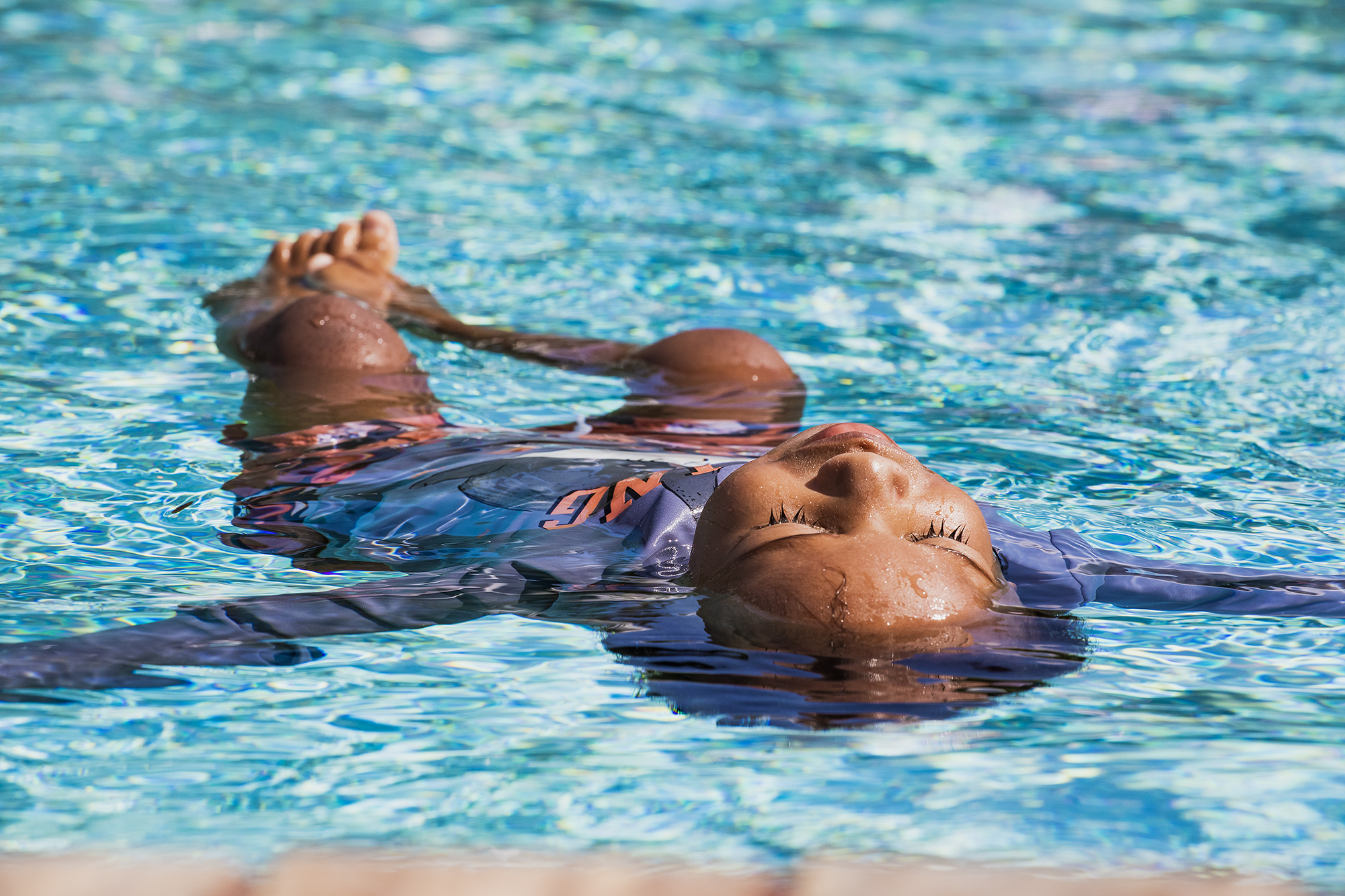
Why do you have the children swim in clothes?
Because 86% of children who fall in the water do so fully clothed, we want our students to have
experience with such a situation. If a child has experienced the sensations of being in the water in
clothing prior to an emergency situation, he/she is less likely to experience panic and be able to focus on
the task at hand. If you have ever jumped in the water with clothes on, then you know that there is a
significant difference in weight and feel with clothes as opposed to a bathing suit.
What is the American Academy of Pediatrics position on swimming lessons for young children?
The AAP encourages parents to consider that starting water-survival skills training at an early age must
be individualized, based on the child's frequency of exposure to water, emotional maturity, physical
limitations and health concerns related to swimming pools. You can view their policies and suggestions
through the AAP website here: https://www.healthychildren.org/English/safety-prevention/at-
play/Pages/Swim-Lessons.aspx
What other benefits does the ISR lesson experience provide students?
Every child is unique. However, many parents report that once their young children have mastered
learning to swim, the resulting confidence in their abilities engenders a positive self-concept that is often
demonstrated in other aspects of their personalities. There are also obvious health and other
psychological gains.
How do you teach them to hold their breath?
Breath holding skills are taught beginning with the first lesson. We shape breath control using highly
effective positive reinforcement techniques. We continue to reinforce these breath-holding techniques
throughout every lesson.
Book Spot Now
check lesson times available