Water Safety Starts Here

How Will Your Child Learn?
ISR instructor devoted to teaching infants survival swimming skills in Dawsonville & beyond.

One-on-One Survival Swim Instruction

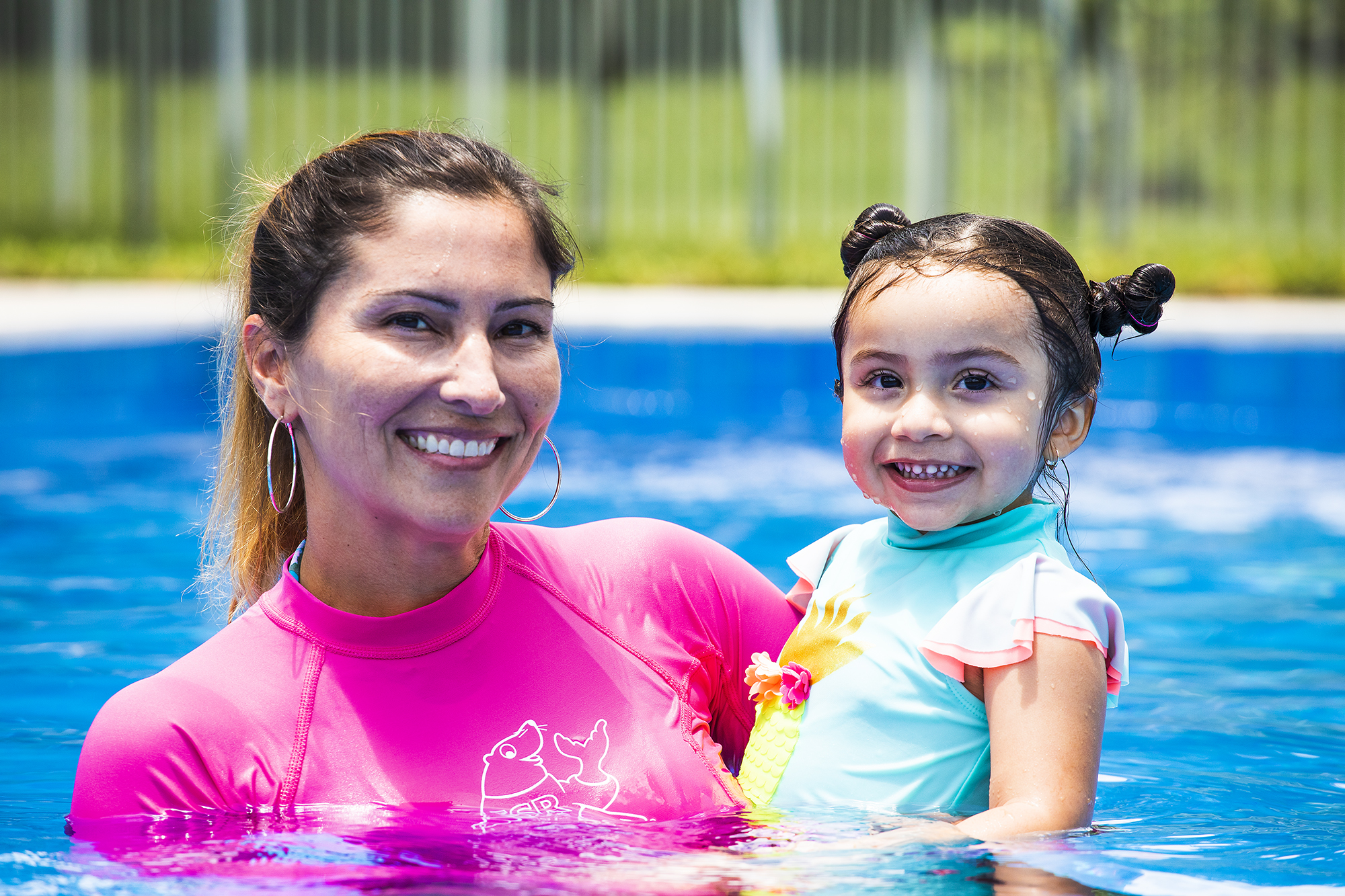
Every child is unique. Our individualized, private ISR lessons are tailored to your child's unique needs, pace, and personality. We provide focused attention on your child, helping them learn self-rescue skills step-by-step while building confidence as they go!

Refreshers for Returning Swimmers

Children grow and develop rapidly during early childhood, and their swim skills need to adjust as they grow. Refresher lessons are shorter sessions, designed for students who have already completed ISR lessons and need to keep their skills fresh. These classes reinforce their survival skills, adjust for growth and changes in their proportions, and keep your little one confident and capable in the water year after year.

Maintenance Lessons for Practice

Maintenance lessons provide continued practice for children following their initial ISR lessons. Regularly scheduled weekly or even monthly lessons help keep your child's skills fresh while supporting long-term confidence and safety. Contact us to see what maintenance schedule makes sense for your little one!

ISR Survival Swim Lessons

ISR Infant and Non-Walker

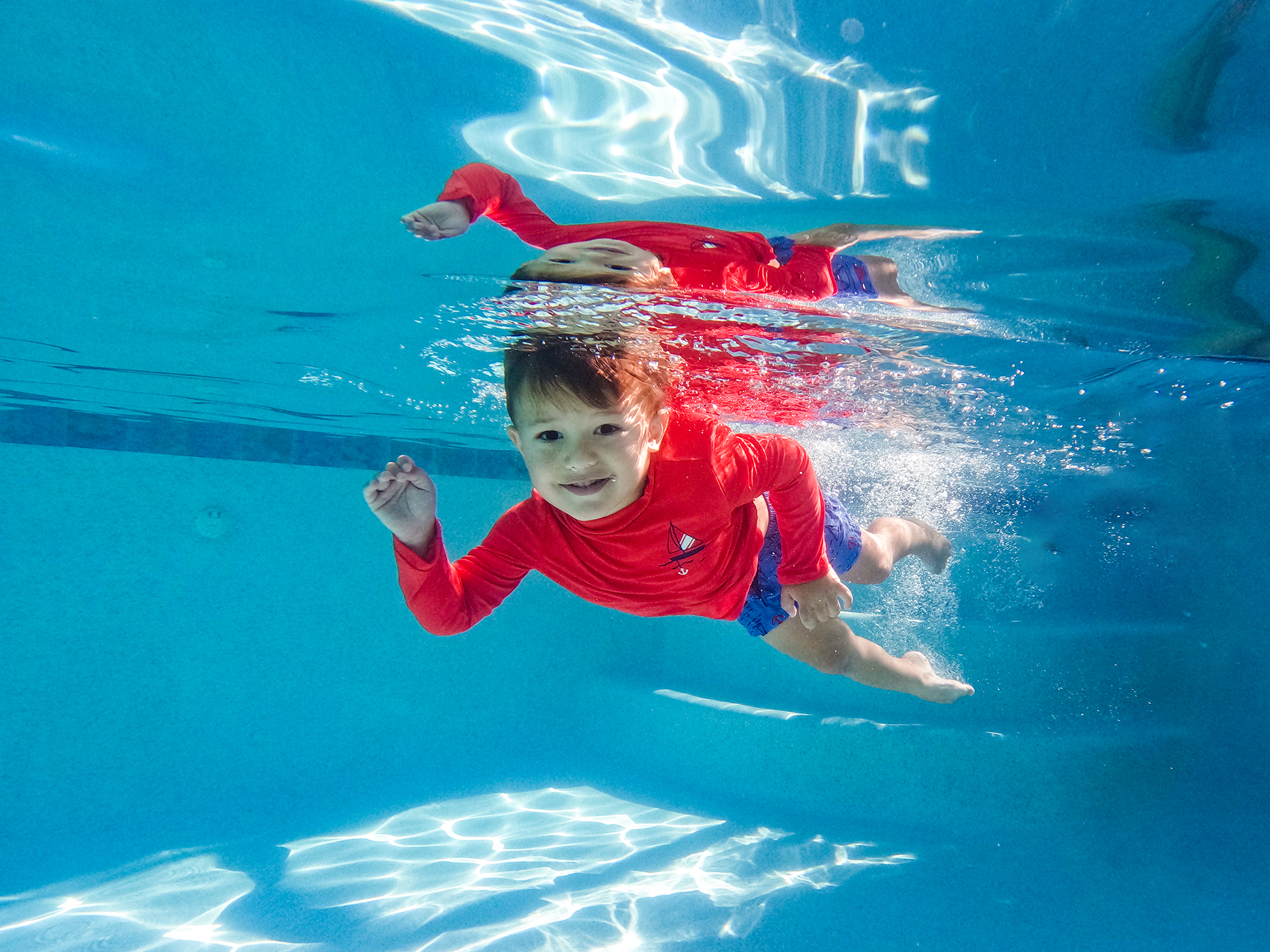
For children NEW to the program at least 6 months to 12 months old. Child should be sitting unassisted. Also for children older than 12 months who have not yet mastered walking. Generally the program for infant and non-walkers an average of 6 weeks. 

ISR Walkers and Toddlers

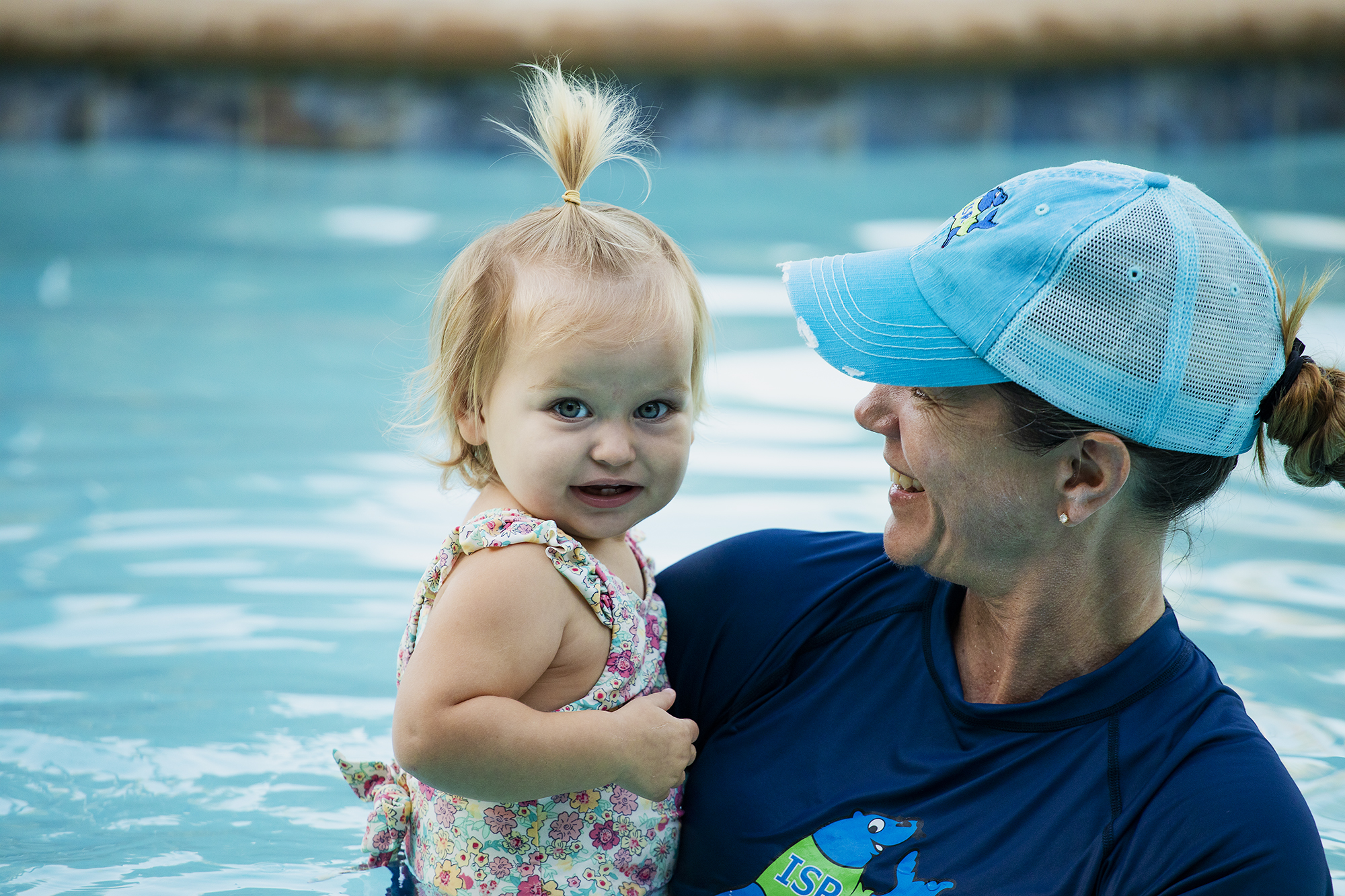
For children NEW to the program at least 1 - 3.5 years old. Generally the program for walkers and toddles is an average of 6 weeks. 

ISR Big Kids

Children new to the program who are between the ages of 3.5 - 7. Generally the program for big kids is 4 weeks on average. 


Refresher LESSONS

ISR Returning Floater

For children who have completed the ISR program last year as an infant and returning to learn the swim-float-swim sequences. Generally the program for returning floaters is an average of 6 weeks. 

ISR Refresher Toddler and Walker

Children who have already completed the ISR program and who are under 3.5 years of age. Since these skills are not new,  refresher lessons are for 4 weeks on average. 

ISR Refresher Big Kid

These lessons are for children, 3.5 - 7 yrs of age, who have already completed survival lessons. As the name implies, these lessons enable the children to "refresh" the skills that they have already learned. Students attend lessons Monday-Friday for ten minutes each day. Since these skills are not new to the children, refresher lessons usually take approximately 3 weeks.

Maintenance Lessons

Maintenance

These lessons are for children who have already completed survival lessons. Maintenance lessons help students to maintain their skills and confidence throughout the year. Ideally, maintenance lessons should be scheduled at the intervals recommended by the instructor, ranging from once or twice a week to once a month.

FAQs
Will my child need additional lessons?
Based on our research, we know that refresher lessons are important because children change so much both cognitively and physically during the first 0-5 years of life. It is important that their water survival skills grow with their bodies. Frequency depends on the child's age, growth rate, skill level and confidence level. The goal of refresher lessons is to help your child adjust his/her new body size and weight to his/her existing skill level. Your instructor will work with your child to help fine-tune his or her aquatic experience to assist with building efficiency, which will result in self-confidence. This is especially important if your child has not been able to practice any appropriate aquatic skill between seasons.
Do parents have to leave during the lessons?
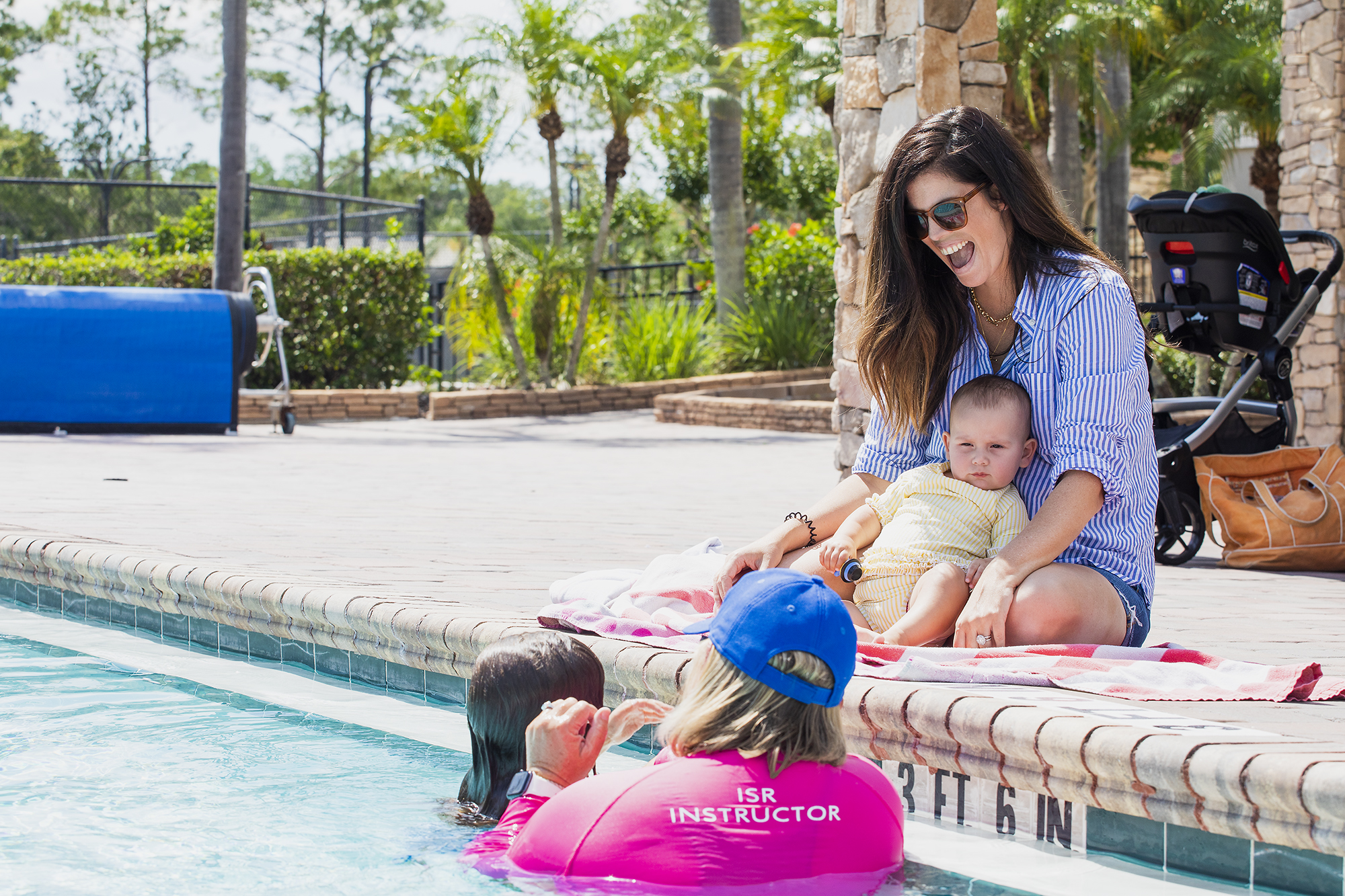
No. You are truly the best cheerleader your child could have. Your positive support and encouragement are invaluable to creating an effective learning environment for your child.
How is it that babies can learn to respond to the danger of water when they fall in?
A baby does not need to perceive danger or be afraid to respond appropriately to being underwater. If a baby has learned to roll over and float when he needs air, he doesn't need to perceive danger in order to respond in this manner. He needs skill, practice and confidence to calmly deal with the situation.
What other benefits does the ISR lesson experience provide students?
Every child is unique. However, many parents report that once their young children have mastered learning to swim, the resulting confidence in their abilities engenders a positive self-concept that is often demonstrated in other aspects of their personalities. There are also obvious health and other psychological gains.

Book Spot Now

check times available